When we look at how children learn to move, explore, and solve problems, it can be tempting to think of perception and action as two separate steps. First they notice something, then they act. In reality, these processes are tightly connected. Perception is shaped by action, and action is guided by perception. This relationship is known as perception-action coupling, and it sits at the heart of how infants and children learn about their world.
This idea is central to the Perception-Action Approach. One feature that makes the Perception-Action Approach unique is the use of informational touch. This subtle, supportive touch helps draw a child’s attention to the salient perceptual information available in the environment without directing the movement itself.
Rather than focusing on correcting movement or encouraging children to follow a typical developmental sequence, this approach supports natural exploration. Children learn by doing, adjusting, testing, and discovering what their bodies can do in real situations. If you would like to explore the background behind these ideas, the Institute has a detailed overview of its theoretical foundations.

Perception-action coupling describes how children constantly take in information from their environment and use it to guide movement. At the same time, their movements create new information to perceive. Babies reaching for a toy are not simply following instructions from the brain. They are learning about distance, weight, texture, and how their body can adjust to achieve a goal. This ongoing feedback loop forms the basis of problem solving and motor learning.
The motor theory of perception also supports this idea. Researchers propose that perception itself develops from movement experiences. A child who rolls, crawls, climbs, and reaches gains rich opportunities to refine perception-action processes.
For children with disabilities, perception-action coupling can be disrupted when movement opportunities are limited. Traditional therapy models may focus on helping a child achieve a specific posture or pattern. The Perception-Action Approach works differently. It creates meaningful environments where children choose actions that matter to them. This self driven learning supports stronger engagement and helps the child discover solutions that work for their own body. Therapists may use informational touch during these moments to highlight meaningful sensory information, helping the child notice what matters as they explore. Informational touch does not guide the action. Instead, it enhances perception so the child can organise their own movement solutions.
Instead of practicing isolated movements, children engage with real tasks that require coordination, perception, and problem solving. Opening a container, climbing onto a step, or reaching for a favorite object becomes an opportunity to develop both movement and understanding.
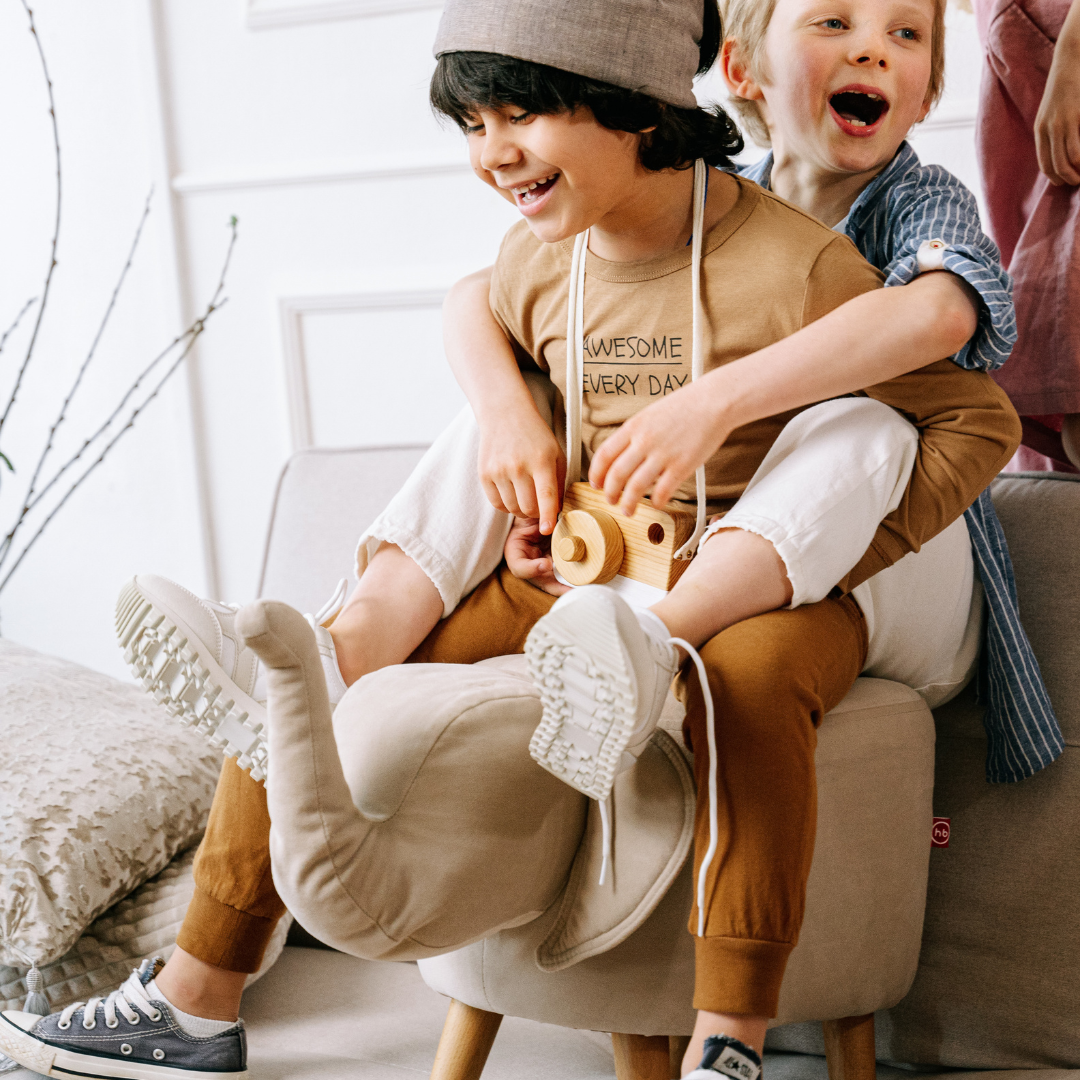
Pediatric therapists providing occupational therapy, physical therapy, and speech therapy can support perception-action coupling by creating spaces where children can safely explore. Offering materials that invite curiosity encourages children to take action, while adults observe how they adapt and discover. Families can support therapeutic goals at home by providing opportunities for varied movement and allowing children to take the lead.
For pediatric therapists (SLPs, OTs, and PTs) interested in learning how to apply these ideas in practice, the Institute offers courses that break down the Perception-Action Approach in an accessible and practical way. You can explore upcoming learning opportunities here: https://www.perceptionaction.org/courses/#eventsPerception-action develops from the very beginning of life. When children are encouraged to explore, test ideas, and solve real problems, they strengthen this connection in powerful ways. Understanding how perception-action coupling works gives families and clinicians a clearer view of what meaningful learning really looks like and reinforces why movement experiences are essential for every child. Informational touch can also support this process by helping children notice the perceptual information available as they move, without directing their actions.
This perspective reflects current research and also honors each child’s unique abilities. By supporting natural exploration, we help children build confidence, capability, and a deeper understanding of themselves and their world.
If you have any more questions on this, please don’t hesitate to contact us or view our courses.