At the Institute for Perception-Action Approach (IPAA), our work is grounded in well-established theories of human development that view learning as an active, dynamic process. Rather than treating movement, perception, and cognition as separate systems, these theories recognize that they develop together through interaction with the environment. For parents and therapists, understanding these theoretical foundations helps explain why exploration, variability, and self-generated action are central to meaningful learning for children.
The Perception-Action Approach did not emerge in isolation. It is informed by decades of research in developmental science and neuroscience, and these ideas directly shape how we support children and families in real-world settings. You can explore an overview of our theoretical foundations here:https://www.perceptionaction.org/theoretical-foundation.
Dynamic Systems Theory, often referred to as DST, is a core influence on the Perception-Action Approach. DST proposes that movement and behavior emerge from the interaction of multiple systems, including the individual, the task, and the environment. Development is not driven by a fixed sequence or a single controlling system. Instead, it unfolds through ongoing change, adaptation, and interaction
From this perspective, variability is not something to be corrected. It is essential for learning. When children explore different movement solutions, they are learning how to adapt to changing conditions. A child may approach the same task in multiple ways before discovering what works best for them. Each attempt provides new perceptual information that supports learning.
In practice, this means we focus less on achieving a specific movement pattern and more on creating environments that invite exploration. Our role as pediatric therapists is to support discovery rather than guide children toward predetermined outcomes.
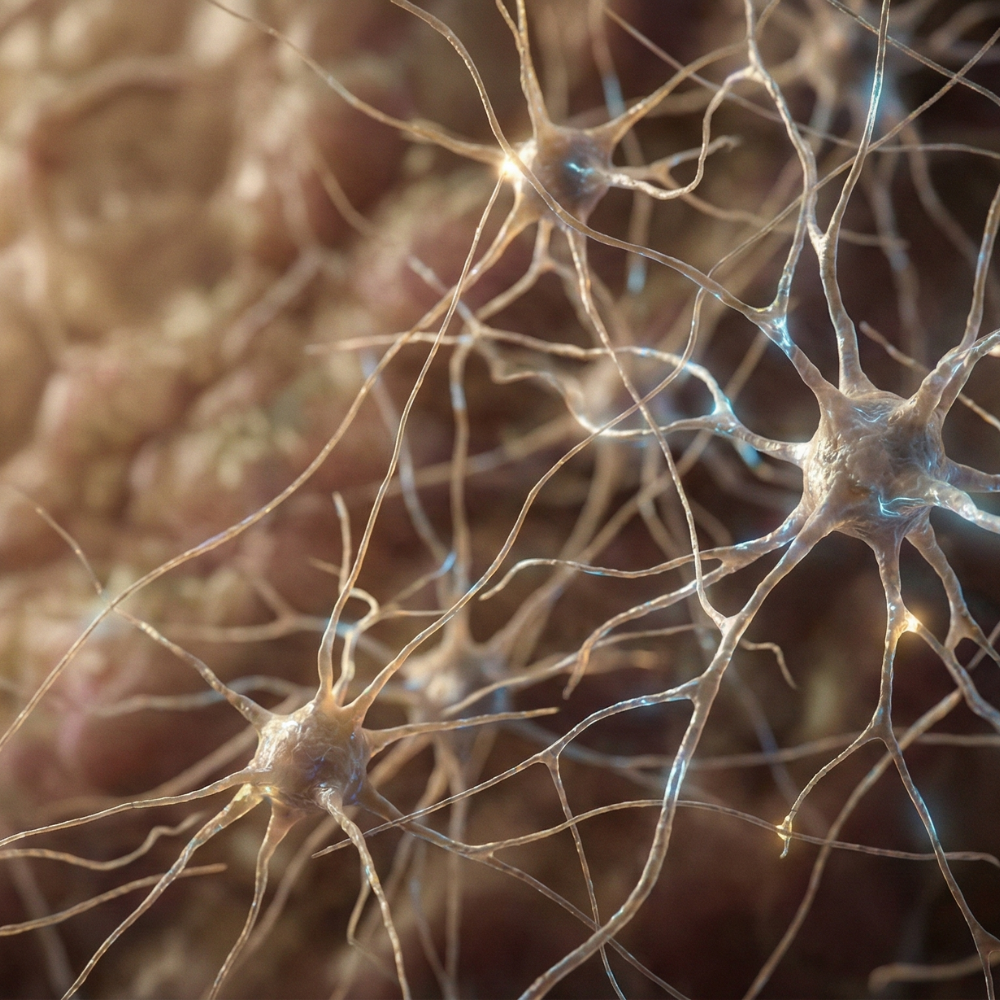
Another key theoretical foundation of our work is the Theory of Neuronal Group Selection, or TNGS. This theory suggests that the brain develops through experience-dependent selection. Neural networks are strengthened through use, while others are gradually refined over time.
Movement plays a critical role in this process. As children act within their environment, they generate sensory information that shapes neural organization. Perception and action are inseparable in this learning process. The more opportunities a child has to move, explore, and problem solve, the richer their neural development becomes.
This theory helps explain why repetition alone is not enough. Meaningful repetition occurs when actions are self-generated and goal-directed. The Perception-Action Approach supports this by encouraging children to engage in tasks that are relevant and motivating, allowing learning to emerge naturally.
The Perception-Action Approach brings together insights from Dynamic Systems Theory, the Theory of Neuronal Group Selection, and broader theories of perception. These perspectives share a common understanding that learning is embodied and relational. Perception develops through action, and action is guided by perception.
One feature that makes our approach unique is the use of informational touch. Informational touch is a subtle way of drawing attention to salient perceptual information in the environment without directing or correcting the movement. This allows children to notice what matters while remaining in control of their actions.
Over time, these ideas have shaped a clinical framework that values autonomy, curiosity, and engagement. Our approach continues to evolve as research advances and as we deepen our understanding of how children learn through movement.
For therapists and families, these theoretical foundations lead to a meaningful shift in focus. Rather than asking how to fix a movement, we ask how to support learning. Environments are designed to invite action. Tasks are meaningful. Children are viewed as active participants in their own development.
Research continues to support the importance of active, experience-based learning across development.
For those interested in applying these ideas in practice, we offer courses and educational opportunities designed for clinicians and families. You can learn more about upcoming courses here:https://www.perceptionaction.org/courses/#events.
The theoretical perception that underpins the Perception-Action Approach offers a powerful lens for understanding development. By recognizing that learning emerges through action, exploration, and interaction, we can better support meaningful growth. These theories are not just academic concepts. They guide how we support children as they discover their capabilities and engage with the world around them.
Interested in learning more? Contact us today or view our upcoming events.