Perceptual motor skills play a vital role in how people learn, move, and interact with their environment across the lifespan. From infancy through adulthood, movement is more than physical activity. It is a primary way the brain gathers information, solves problems, and builds understanding. When children explore through movement, they are developing perceptual motor skills that support learning, independence, and participation in daily life.
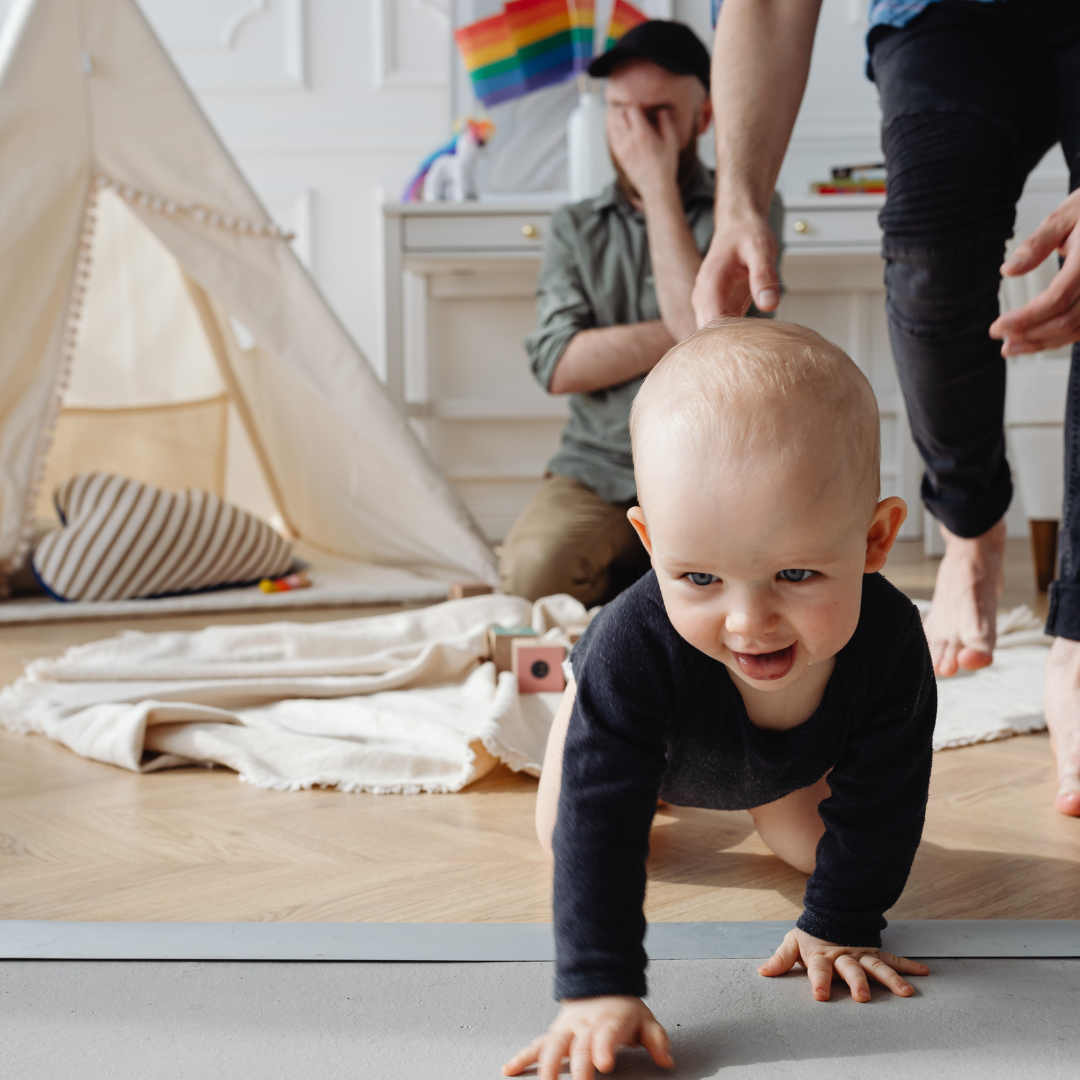
At the core of this process is the concept that perception and movement develop together. Each time a child reaches, rolls, crawls, or walks, they are learning about space, timing, force, and their own capabilities. These experiences form the foundation for more complex skills later on, including balance, coordination, communication, and social interaction.
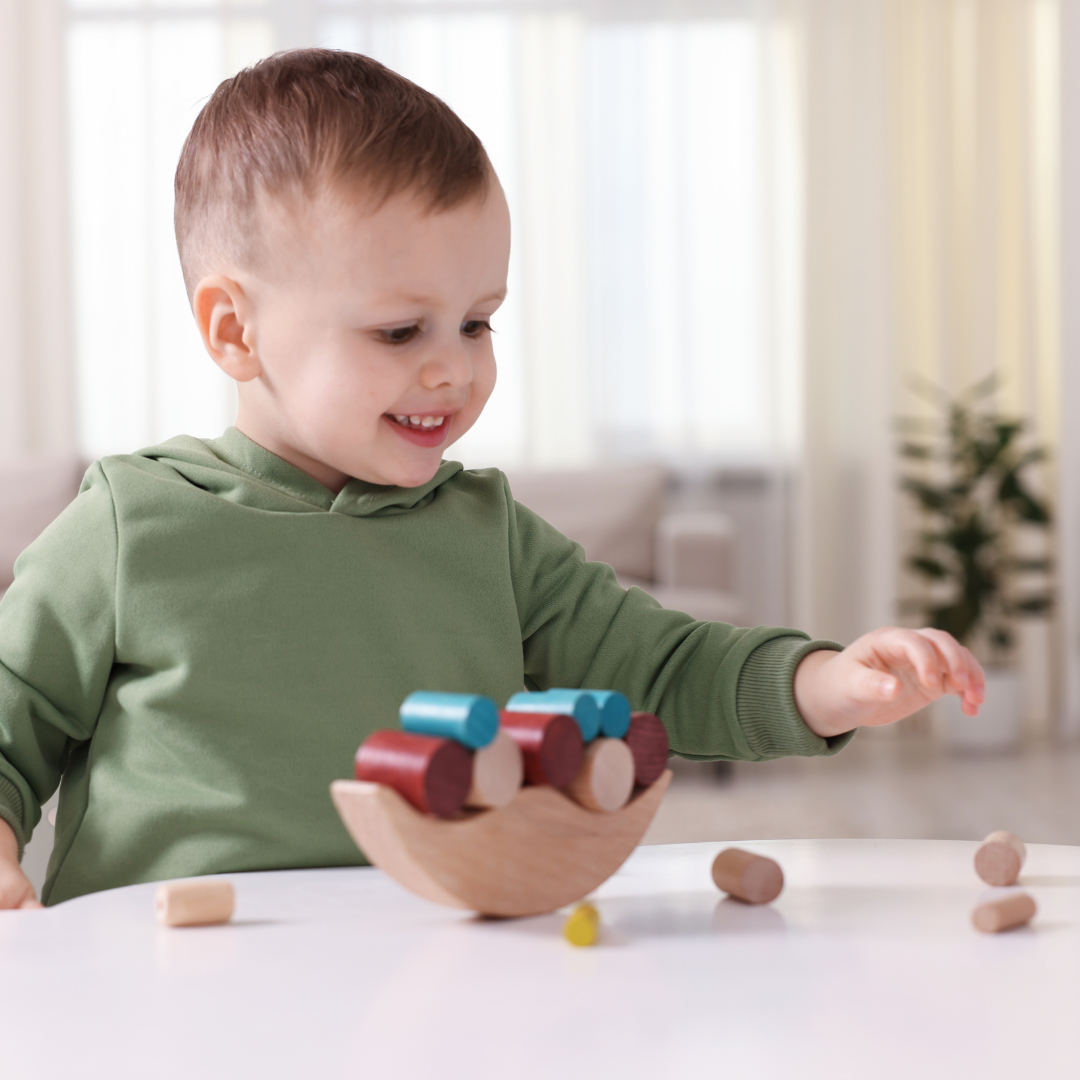
Perceptual motor skills describe the ability to take in information from the environment and use it to guide purposeful movement. This includes understanding where the body is in space, how objects move, and how actions can be adjusted to achieve a goal. These skills are not learned through instruction alone. They develop through active exploration and repeated interaction with real situations.
Movement concepts such as direction, speed, distance, and effort become meaningful only when they are experienced. A child does not truly understand “far” or “heavy” by being told. They understand by moving, testing, and adapting. This is why every move counts. Each attempt, successful or not, adds valuable information that supports learning.
Discovery and variability are essential for developing strong perceptual motor skills. When children are allowed to explore freely, they encounter a range of challenges that require problem solving. They learn to adjust their movements based on what they perceive, rather than following a single correct pattern.
In contrast, therapist-guided correction often limits this process. When movement is directed or corrected too quickly, the child may miss the opportunity to notice important perceptual information. Self-generated action encourages children to find solutions that work for their own bodies, in their own environments. This approach supports adaptability and long-term competence rather than short-term performance.
The Perception-Action Approach emphasizes creating environments where exploration can occur safely and meaningfully. One feature that supports this process is informational touch. Informational touch is used to draw attention to salient perceptual information without directing the movement itself. This allows the child to remain in control of the action while gaining awareness of what matters in the environment.
While early childhood is a critical period, perceptual motor skills continue to develop throughout life. Children refine these skills as they engage in play, learning, and daily activities. Adolescents and adults rely on them for work, recreation, and social participation. When movement experiences are limited, opportunities for perceptual learning can also be reduced.
Research continues to support the importance of active movement experiences for brain development and learning. A helpful overview of how motor experiences support cognitive and perceptual development can be found through the National Institutes of Health: (
https://pmc.ncbi.nlm.nih.gov/articles/PMC9721199/.)
Clinicians and families can support perceptual motor skills by valuing exploration over correction. Providing varied environments, meaningful tasks, and time to practice allows children to engage fully in learning. Observing how a child solves a problem offers insight into their perception and decision making.
For therapists interested in applying these ideas in practice, the Institute offers learning opportunities that connect theory to real-world application. The “Every Movement Counts” framework and course offerings explore how perceptual motor skills and movement concepts can be supported through the Perception-Action Approach. You can explore upcoming courses here:
https://www.perceptionaction.org/courses/#events.
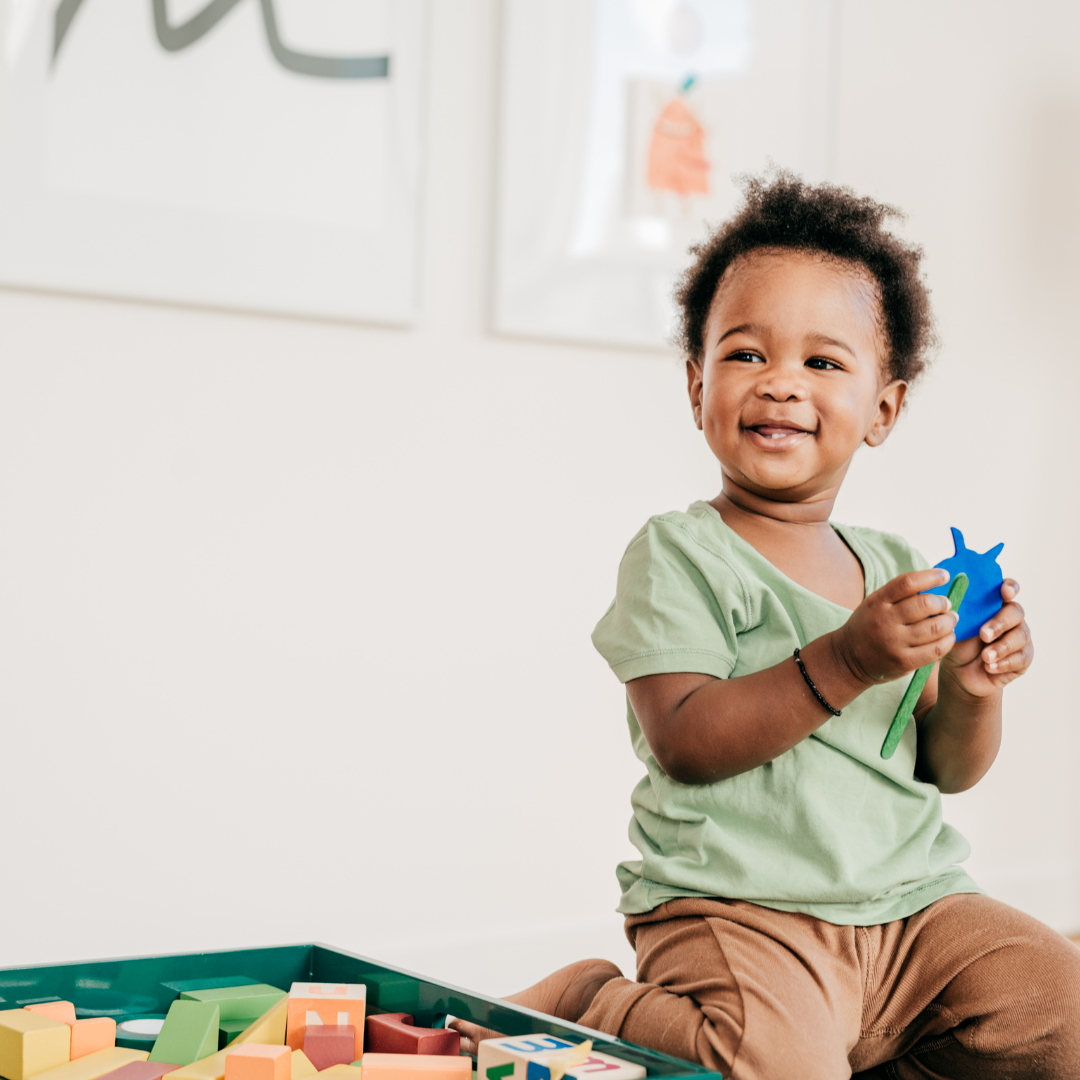
Perceptual motor skills are built through action, exploration, and experience. When children are trusted to move, discover, and adapt, they develop confidence and competence that extends far beyond physical ability. By recognizing that every movement provides valuable information, clinicians and families can better support meaningful learning and participation at every stage of life.
Interested in learning more?
Contact us today or view our
upcoming events.