Children learn about the world through movement. From reaching for a toy to climbing onto a chair, every action provides new information about the environment and about their own capabilities. Exploration is not simply play. It is a fundamental part of development that supports perceptual motor skills, problem solving, and motor learning across the lifespan.
At the Institute for the Perception-Action Approach (IPAA), we view exploration as essential to how children develop meaningful movement and understanding. When children are encouraged to act, test ideas, and adapt to new situations, they build the perceptual and motor abilities needed to engage with the world around them.
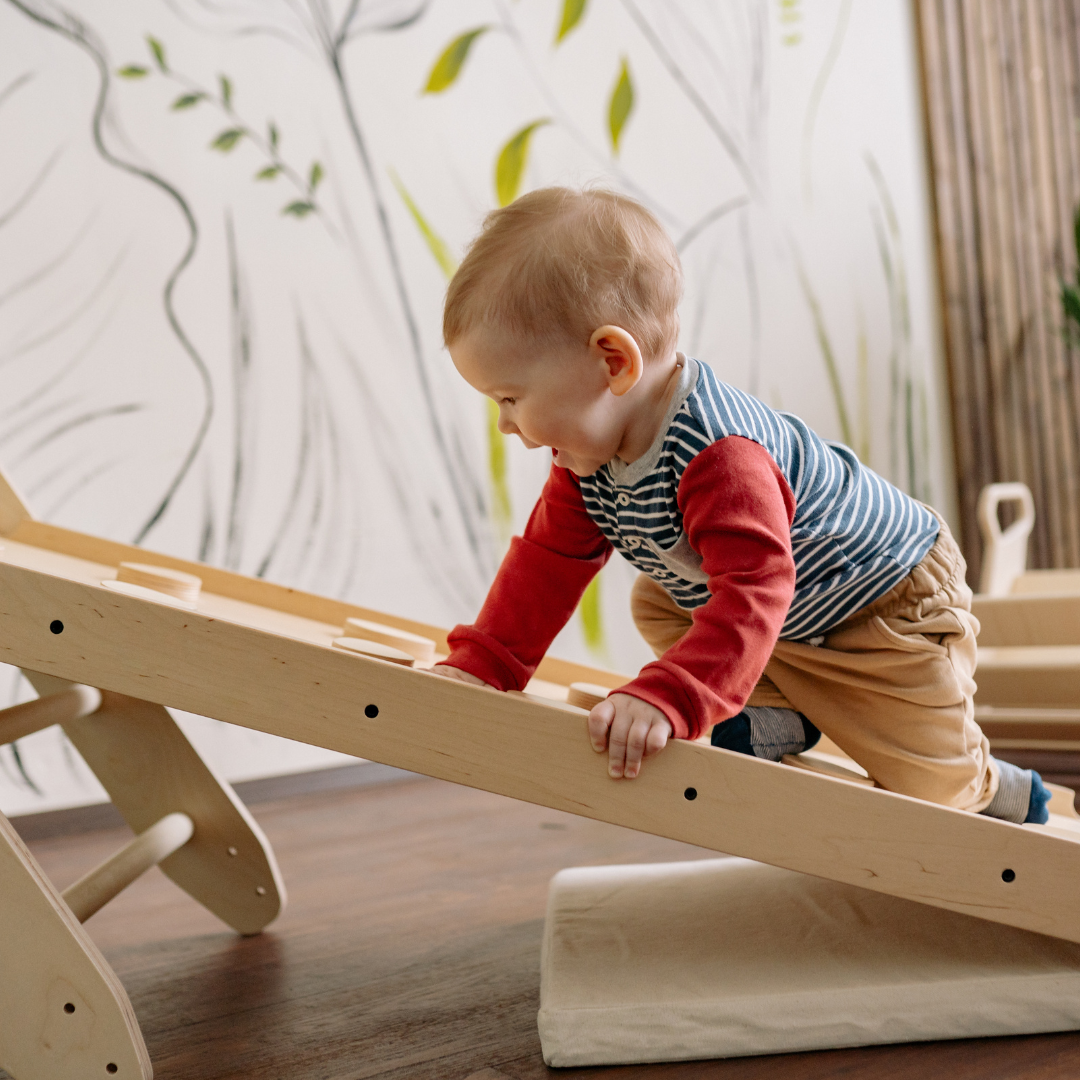
Perceptual motor skills refer to the ability to use sensory information to guide movement. These skills allow children to understand where their body is in space, how objects move, and how their actions can be adjusted to achieve a goal.
Exploration provides the experiences needed to develop these skills. When a child crawls across different surfaces, reaches for objects of different sizes, or navigates around obstacles, they are constantly gathering perceptual information. Each movement offers feedback about balance, distance, force, and timing.
Movement concepts such as direction, speed, and effort also become meaningful through experience. A child learns what it means to move slowly, reach farther, or apply more force only by attempting these actions themselves. This process allows perceptual motor skills and movement concepts to develop naturally over time.
In many traditional approaches to therapy, the goal is often to guide children toward a correct or ideal movement pattern. While this may produce a short-term result, it can limit the child’s opportunity to adapt.
Motor learning is strongest when children encounter variability. Trying different strategies helps them discover which movements work best in different situations. A child learning to climb onto a step, for example, might attempt the task several different ways before finding a solution that works for their body.
These experiences strengthen adaptability and problem solving. Rather than memorizing a single movement pattern, children develop flexible skills that allow them to respond to changing environments.
This perspective aligns with the principles behind the Perception-Action Approach. Our work is grounded in the understanding that perception and movement develop together through interaction with the environment. You can explore more about the theory behind this approach on our
theoretical foundations page.
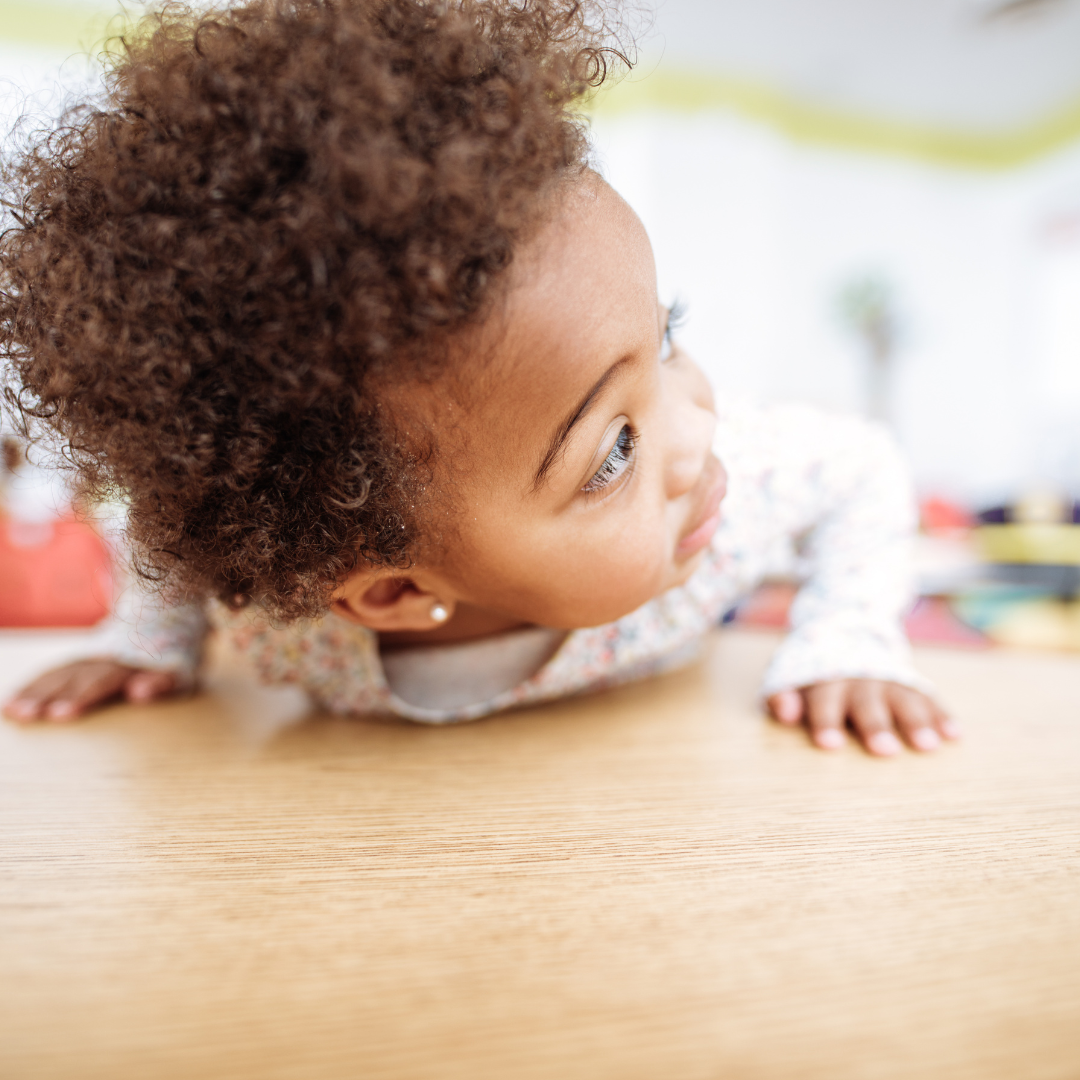
When adults intervene too quickly to correct a child’s movement, it can interrupt the learning process. Exploration allows children to notice important perceptual information and adjust their actions accordingly.
Within the Perception-Action Approach, therapists often support this process using informational touch. Informational touch is a subtle way of drawing attention to relevant sensory information without directing the child’s movement.
Parents, therapists, and educators can support development by creating environments that invite exploration. This might include providing objects with different shapes and textures, offering opportunities for climbing and reaching, or allowing children the time to experiment with new tasks.
The goal is not to eliminate challenges but to create safe opportunities for discovery. When children are free to explore, they develop stronger perceptual motor skills and a deeper understanding of how their actions influence the world around them.
For clinicians interested in applying these ideas in practice, IPAA offers courses that explore how exploration, variability, and perception-action processes support development. You can learn more about upcoming opportunities here:
https://www.perceptionaction.org/courses/#events.
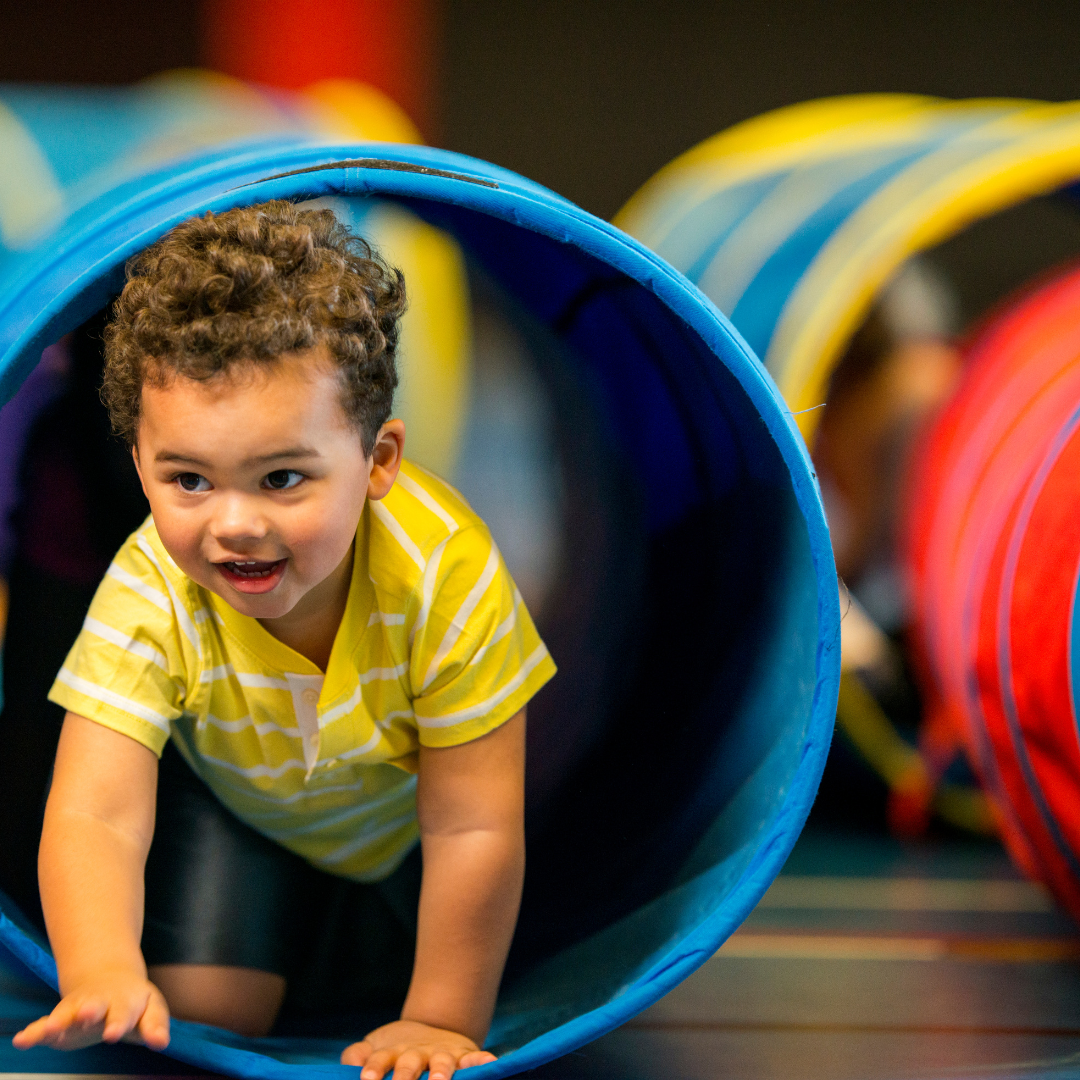
Exploration allows children to become active participants in their own learning. Each movement provides new information that shapes perception, supports motor learning, and strengthens problem solving abilities.
By recognizing the importance of exploration and variability, parents and therapists can better support the natural processes through which children develop the skills needed for everyday life.